Climate Change Is Testing Power Networks
Climate change is no longer a hypothesis – it’s a reality. Storms, heavy rainfall, heatwaves and even frost are becoming more frequent. These extreme events are weakening electrical infrastructure and disrupting energy distribution across the country.
Today, those working in the sector must act. Adapting power networks is essential to ensure continuity of service and to cope with increasingly frequent and intense weather-related disruptions.
Increasingly Destructive Weather Events
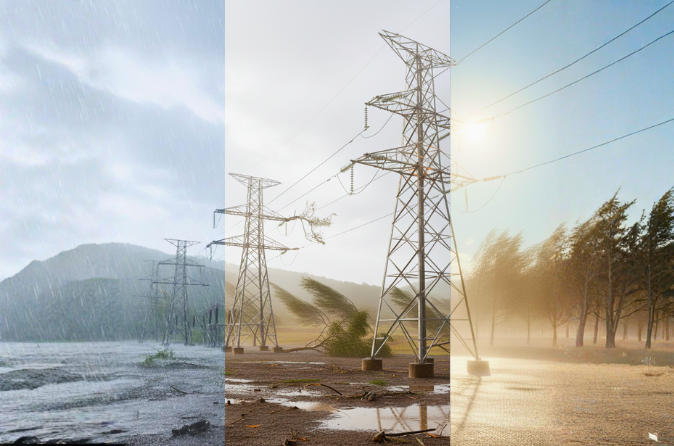
The effects of climate change are being felt directly on the ground. Each type of weather event causes its own damage.
Storms and high winds tear down overhead lines, damage poles and cause large-scale power cuts. In many cases, falling vegetation worsens the damage by bringing down cables.
Heavy rainfall and flooding submerge substations, transformers and underground networks. Water damages equipment, increases the risk of short circuits and extends repair times.
Heatwaves and droughts also play a role. Cables overheat, equipment becomes less efficient, and demand for electricity spikes due to increased use of air conditioning. The result: networks are under constant strain.
Concrete Solutions for More Resilient Networks
In response to these growing risks, network operators are implementing solid technical and organisational solutions.
The goal: to strengthen the reliability of the electricity system and minimise the impact of climate events on users.
Teams are reinforcing and modernising infrastructure. Power lines are being gradually buried to protect them from wind and falling trees. Old cables are being replaced with more robust twisted models, and existing networks are being upgraded using materials better suited to extreme weather conditions.
They also rely on smart monitoring. Drones and digital tools fly over the lines, detect anomalies and allow action to be taken before breakdowns occur. Thanks to predictive maintenance, teams can now anticipate repairs instead of reacting to failures.
Finally, companies are enhancing their preventive maintenance plans. They regularly maintain vegetation around power lines and inspect in advance the areas most exposed to storms or flooding.
This proactive approach prevents many incidents and significantly reduces service interruptions.
Tangible Results for Users
The results are already being felt: weather-related power cuts are becoming less frequent and restoration times are shorter.
The network, now modernised and better monitored, is adapting more effectively to climate-related challenges.
This transformation strengthens national energy resilience and ensures essential continuity of service for users.
PENTA supports the electricians who reinforce, repair and modernise infrastructure every day. Their commitment helps to maintain a reliable power supply – even as the climate becomes increasingly unstable.



 Main menu